“Love asks many things of us. At the end of a pet’s life, it asks for courage.”
Here I share personal stories, medical insight, and gentle guidance for families navigating their beloved animal’s final chapter.

How Do I Know When It’s Time to Euthanize My Pet?
It is the question almost every animal companion eventually asks.
Sometimes it’s whispered late at night while your dog sleeps beside you.
Sometimes it arrives in a rush after a diagnosis — cancer, kidney failure, heart disease.
And sometimes it creeps in quietly, disguised as a small change.
A skipped meal.
A slower walk.
A look in their eyes that feels different.
Even as a veterinarian, even with all of my medical training, I have asked this question with my own pets.
How will I know when it’s time?
I Didn’t “Just Know”
When my cat Marley was diagnosed with squamous cell carcinoma, the answer did not arrive in a dramatic flash of certainty.
It came in waves of doubt.
He was still purring. Still following me from room to room. Still wanting to be near me.
But he wasn’t eating. And oral cancer is unforgiving.
I told myself I needed a clear marker. A measurable threshold. So I chose three days. Three days without eating, and I would know it was time to euthanize him.
When those three days passed, I knew.
Not because I felt ready.
Not because I felt peace.
But because I could see that his body was telling us something his heart could not.
The decision felt unbearable — and clear at the same time.
Fighting and Knowing
With Zoe, it was different.
Osteosarcoma in a giant breed dog is aggressive and relentless. We amputated her leg. We fought. We hoped. Even knowing the statistics, I needed to try.
When the cancer spread to her lungs, the question returned.
How do I know when it’s time to let her go?
She was still wagging her tail. Still happy to see us. But she was struggling to breathe. Struggling to walk. Her world was shrinking.
What I learned from Zoe is this:
Sometimes quality of life doesn’t disappear all at once. It narrows.
Their joy becomes smaller. Their stamina shorter. Their comfort more fragile.
And at some point, protecting them means letting them go before a crisis forces your hand.
What “Quality of Life” Really Means
Families often ask me to define quality of life in medical terms.
But it’s less about numbers and more about patterns:
Can they eat comfortably?
Can they rest without distress?
Can they move without significant pain?
Are there still moments of connection and interest?
Are the good days outnumbering the bad?
Dogs and cats are extraordinarily good at hiding suffering. Often the signs are subtle:
Sleeping more, interacting less
Avoiding stairs or favorite spots
Decreased appetite
Weight loss hidden under fur
Quiet withdrawal
Sometimes suffering is quiet and gradual, not dramatic.
Waiting for a Sign
Many families wait for a catastrophic event — a collapse, a seizure, a night of panic — to make the decision for them.
I understand the desire for certainty. I have felt it myself.
But emergency decisions often come with trauma.
There is a gentle truth I now share with families:
It is kinder to say goodbye a week too early than a day too late.
That does not mean rushing.
It means recognizing when we are prolonging dying rather than preserving living.
The Question Beneath the Question
When someone asks me, “How do I know when it’s time to euthanize my pet?” what I often hear beneath it is:
How do I live with this decision?
The truth is, you will grieve no matter when you choose.
You will wonder if you waited too long.
You may wonder if you acted too soon.
That is the burden of loving deeply.
But making the decision from a place of protecting them — from suffering, from fear, from crisis — is never wrong.
Euthanasia, at its heart, is one final act of stewardship.
One final promise kept.
You Don’t Have to Decide Alone
If you are asking this question right now, it means you love your pet fiercely.
And sometimes what you need is not more information — but a calm, experienced presence to help you see clearly. Someone to walk through the medical realities, assess quality of life thoughtfully, and hold space for the emotional weight of it all.
I created Crossing Paws because I have stood where you are standing — on the floor beside a beloved animal, torn between hope and mercy.
You do not have to navigate this alone.
Knowing When It’s Time: Saying Goodbye to Marley
I will never forget the evening my husband asked me to check my cat Marley’s eye. I had actually noticed it weeks before — it appeared slightly swollen, with mild discharge. I had intended to examine him more closely, but the stresses of work combined with the sleep deprivation that comes with having an infant had delayed my attention. When my husband mentioned his eye, my focus immediately snapped to Marley and away from my daughter, whom I was getting ready for bed. I instantly began mentally chastising myself for letting it get bad enough that my husband had noticed it before I had taken the time to address it. Guilt assailed me as I pulled him onto my lap on our bed.
My heart sank as I realized that his eye wasn’t the problem — it was his mouth. A thorough oral exam confirmed my worst fears.
Squamous cell carcinoma.
Painful. Terminal. Untreatable.
His mouth had been hiding a grim secret, and all at once I understood why he had been circling my legs, meowing plaintively even while his food dish was full.
After bringing him with me to work the following day to confirm the diagnosis, my mind was already racing with questions.
Cancer.
How could I help him best?
How would I protect his quality of life?
And how would I know when it was time to let him go?
Even as a veterinarian, even with medical training, those questions felt impossible.
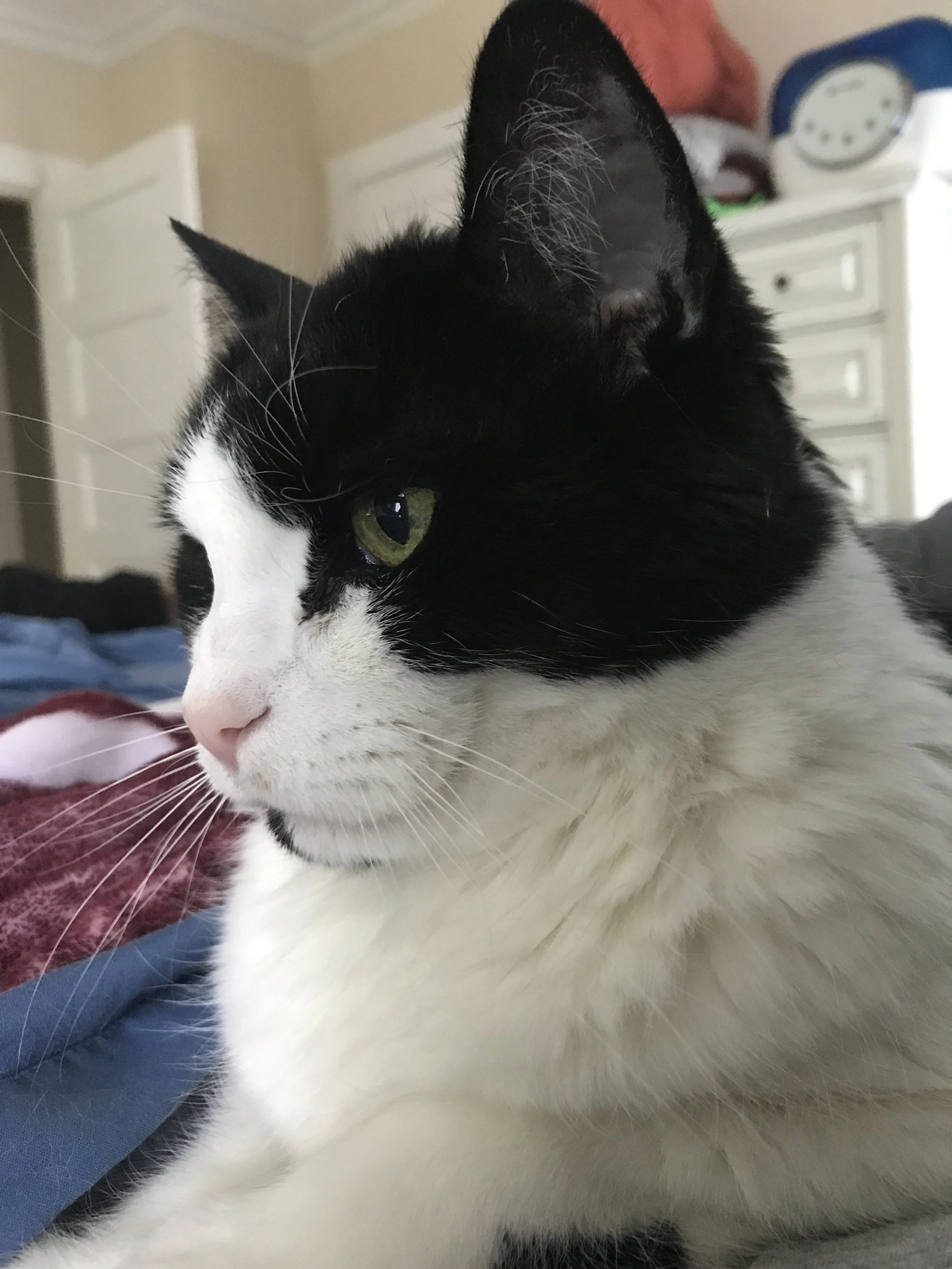
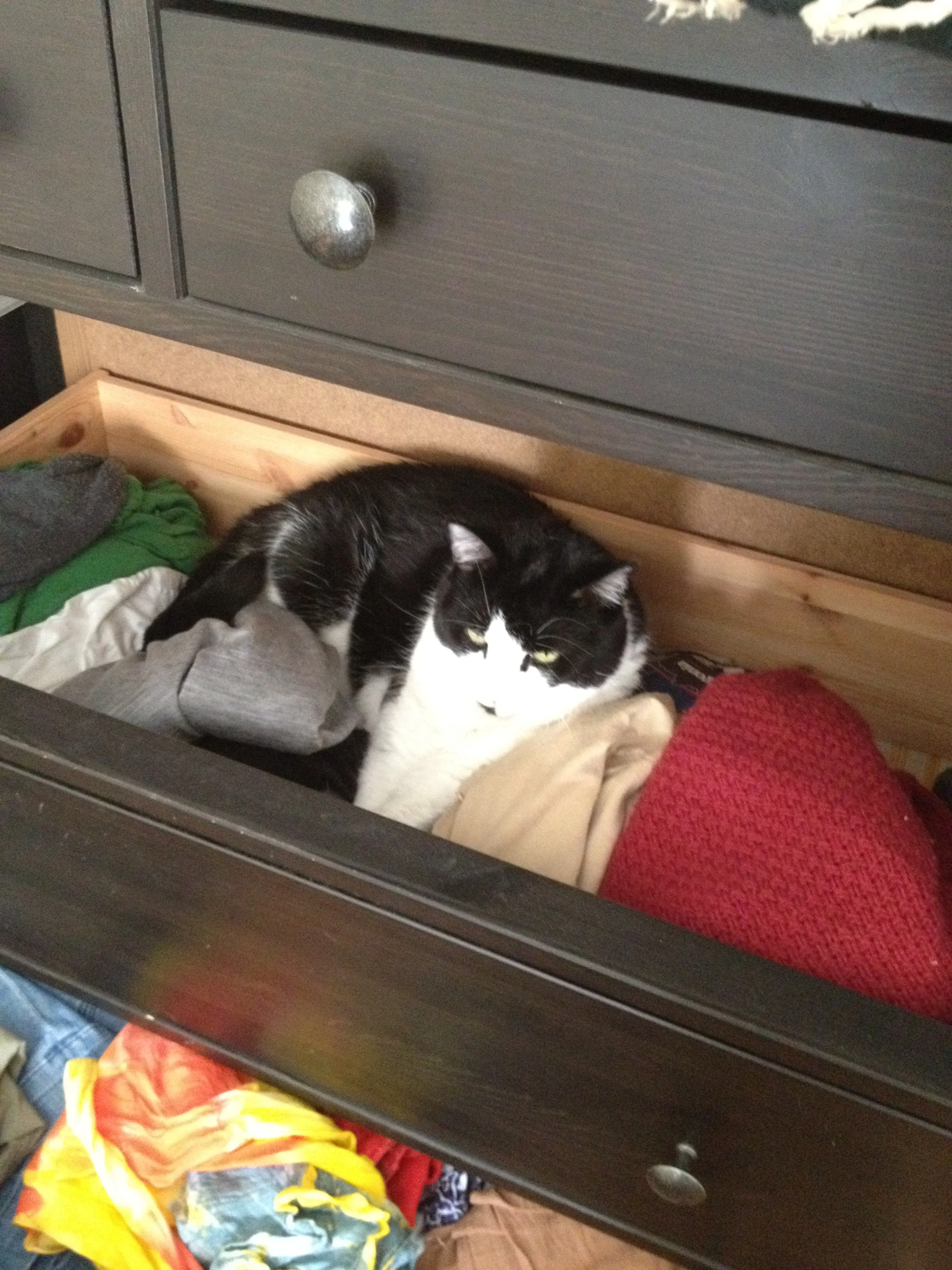
Marley was my first pet as an adult. In my sophomore year of college, my two roommates and I decided to adopt a kitten from a farm. We chose a sweet brown tabby female. Right before we left, the owners found the one kitten who had been elusive — a large black-and-white male. We fell in love instantly and decided to take him home instead.
We lived in an on-campus dormitory where pets were strictly prohibited, so we taped cardboard along the windowsills to make sure he wasn’t spotted. Despite our precautions, his kitten agility led to us being caught more than once. There were several times we smuggled him out temporarily to live with a friend, and once I even had a meeting with the dean. Despite the challenges, we loved him fiercely and refused to give him up.
When the year ended, I kept Marley as my own.
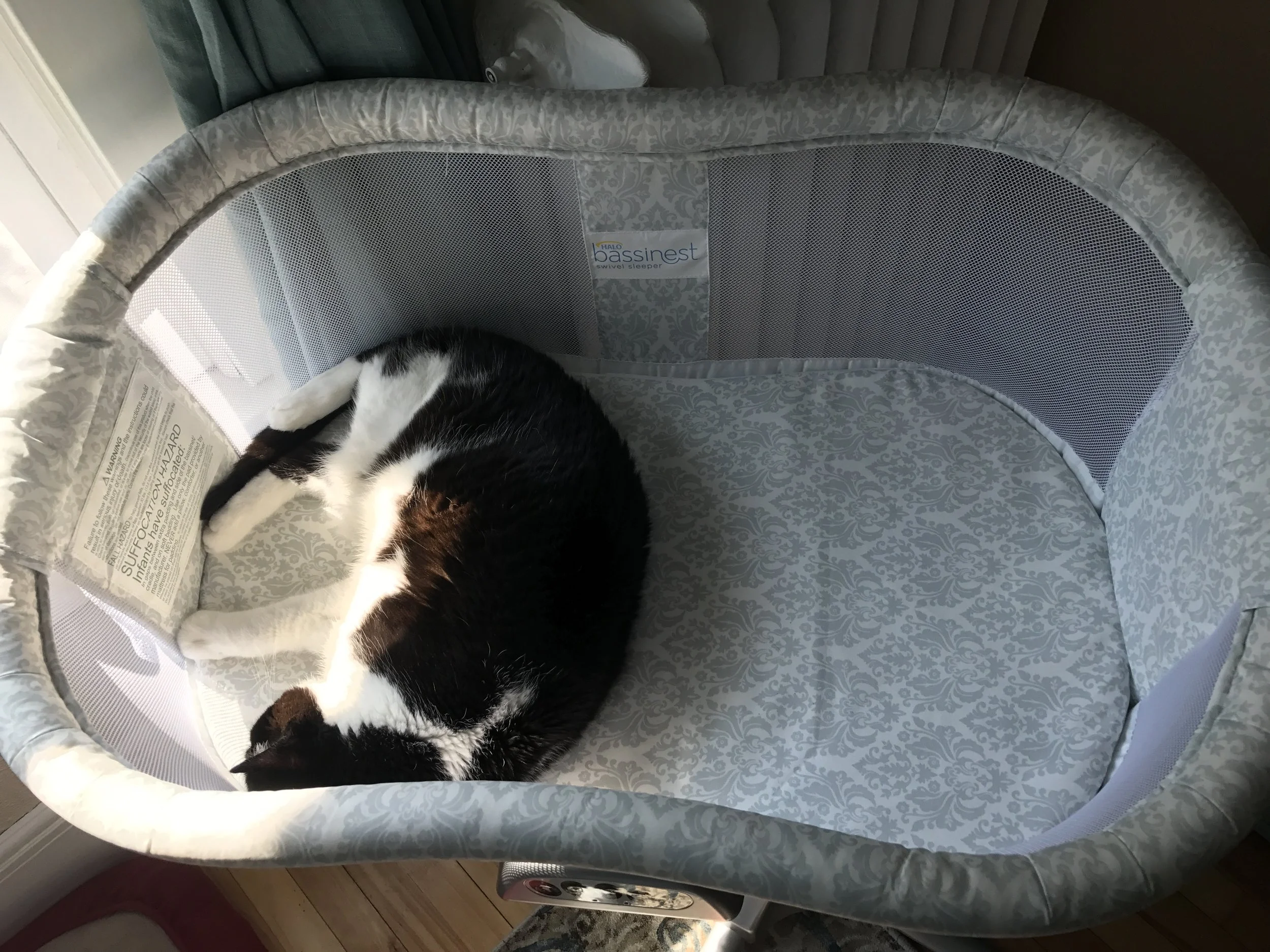
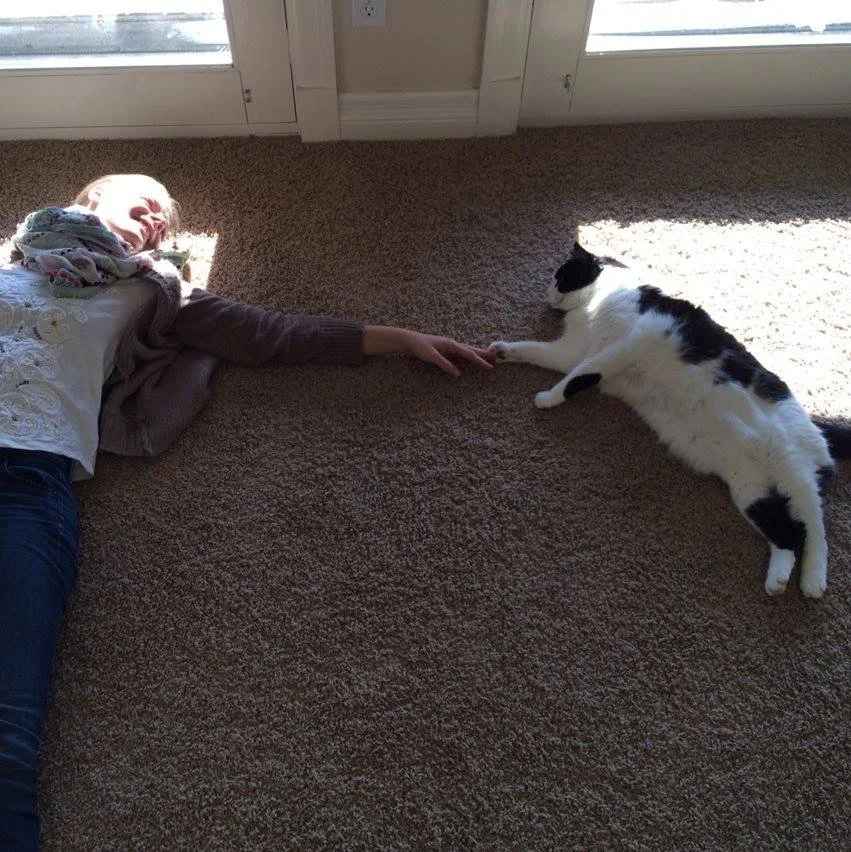
He was my companion and best friend for the next 16 years — moving with me to Iowa for veterinary school, road-tripping with me to California for my internship, and navigating life with me as I moved home, met my husband, adopted a giant dog, and had my first daughter. Through every season of my life, Marley was steady and true. He grieved with me through breakups, sat beside me while I learned anatomy, and patiently endured small chubby fingers grabbing his ears.
How could I possibly say goodbye to my best friend — the only friend who had truly shared all of my adult life?
Pain.
The pain of realizing you cannot control pain.
The pain of recognizing that love sometimes means making an end-of-life decision.
It is unrelenting.
And I knew that his pain was unrelenting as well.
Three days.
I decided on three days. Three days without eating, and I would know it was time to euthanize him. Three days without nourishment meant his body was telling us what his heart could not.
I begged him to eat. I bought every kind of food — his favorite flavors, smooth pâtés, baby food. I added water, tempted him gently, sat with him on the floor for hours trying to coax him to lick the bowl.
Time passed.
And eventually, three days passed without him eating anything at all.
I knew.
I knew it was time to let him go.
I chose to euthanize Marley at home, in the sun in our backyard by the catmint plant he loved to roll in during happier times. I anesthetized him with an injection, and he fell asleep quickly and completely on the patio, the sun warming his black fur. I gave him his final injection and sobbed as I watched his breathing stop.
He looked peaceful.
My heart shattered.
Grief swells and softens, but never disappears completely. Eight years later, it still catches me off guard. It took me six years to welcome another cat into my home. I am still waiting for the day when the sharp edge of losing him softens completely.
Rest in peace, dear friend.
I hope beyond hope to see you again someday.

Letting Go of Zoe: A Veterinarian’s Journey Through Love, Surgery, and Loss
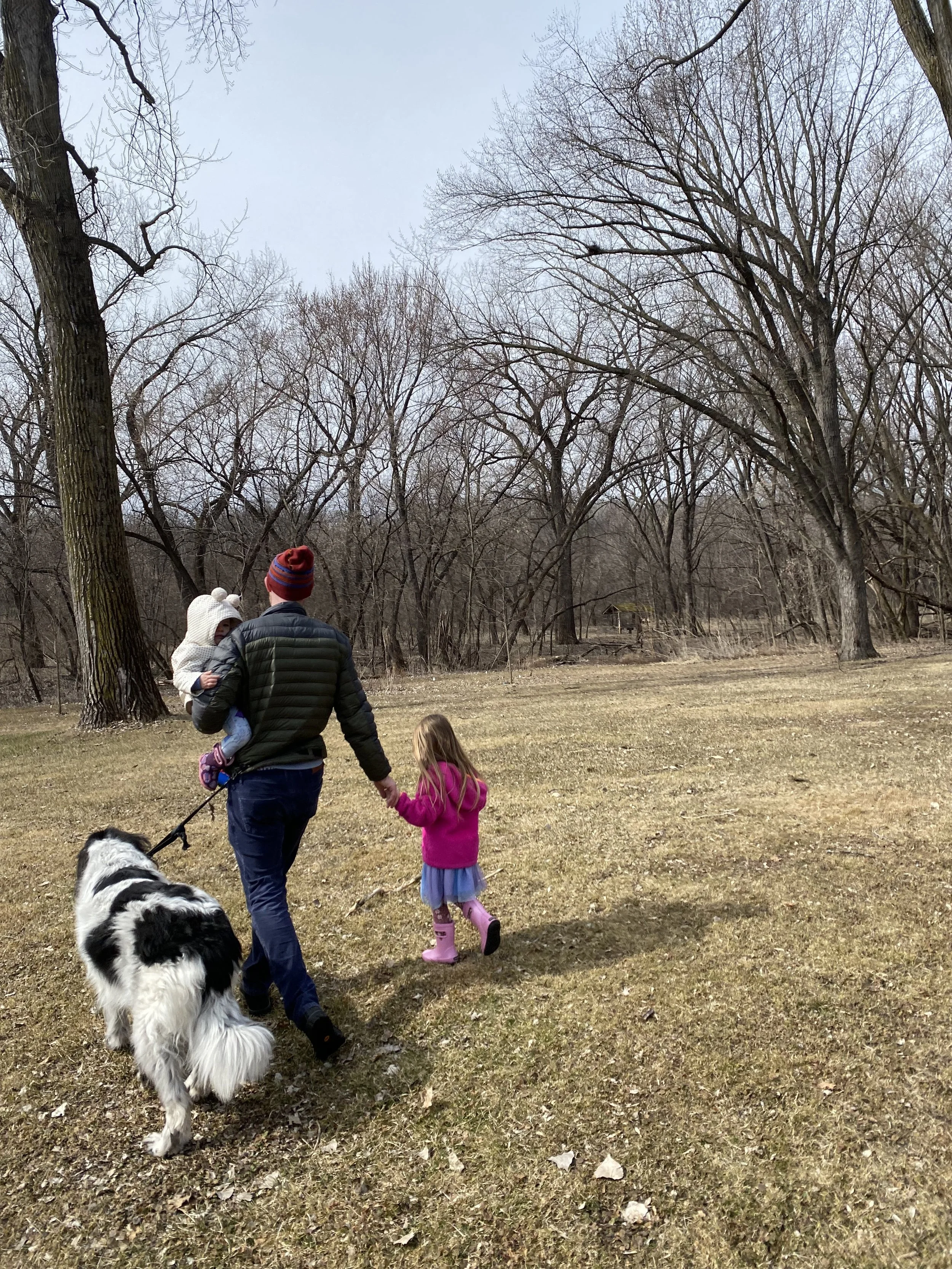
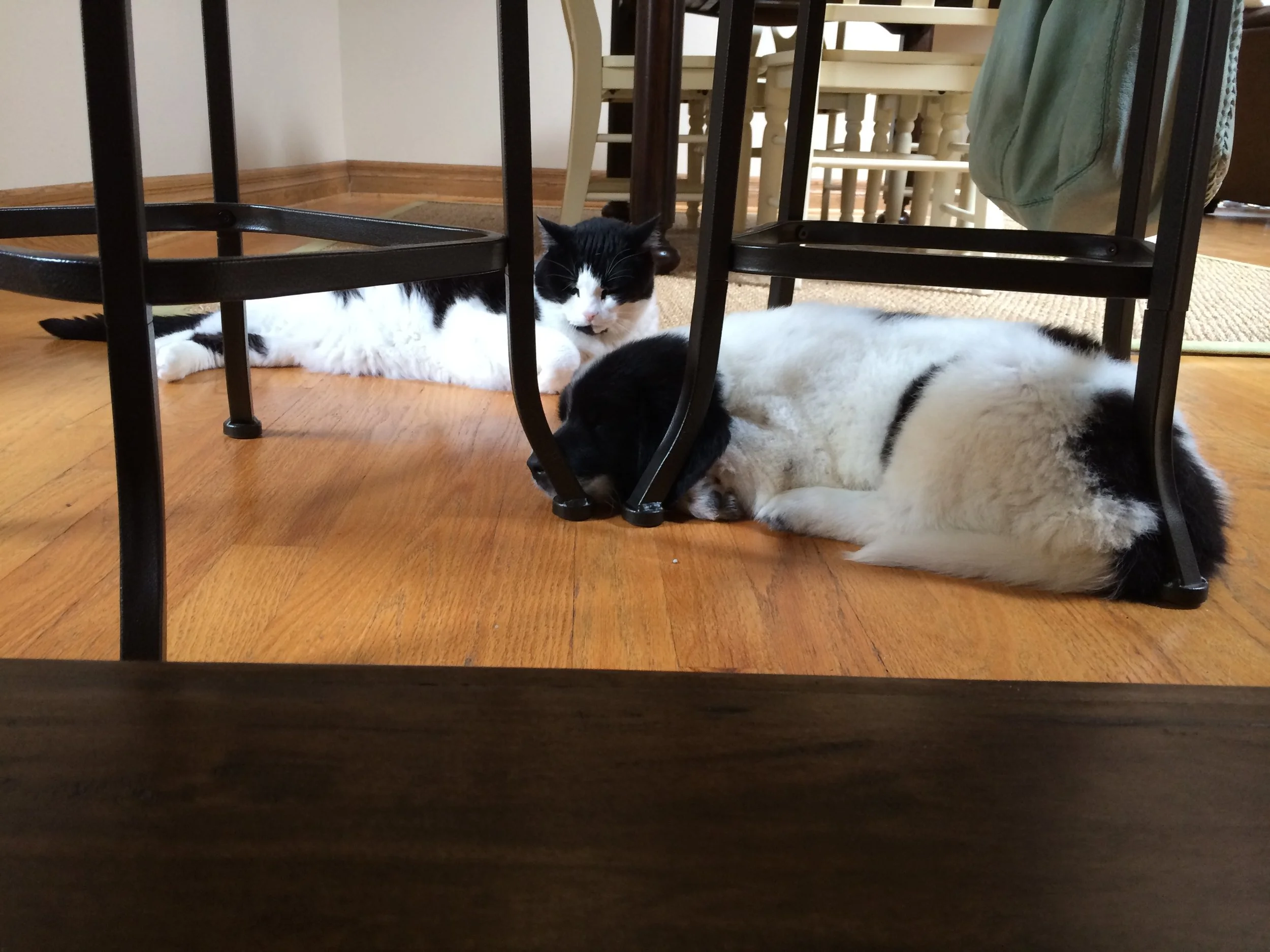
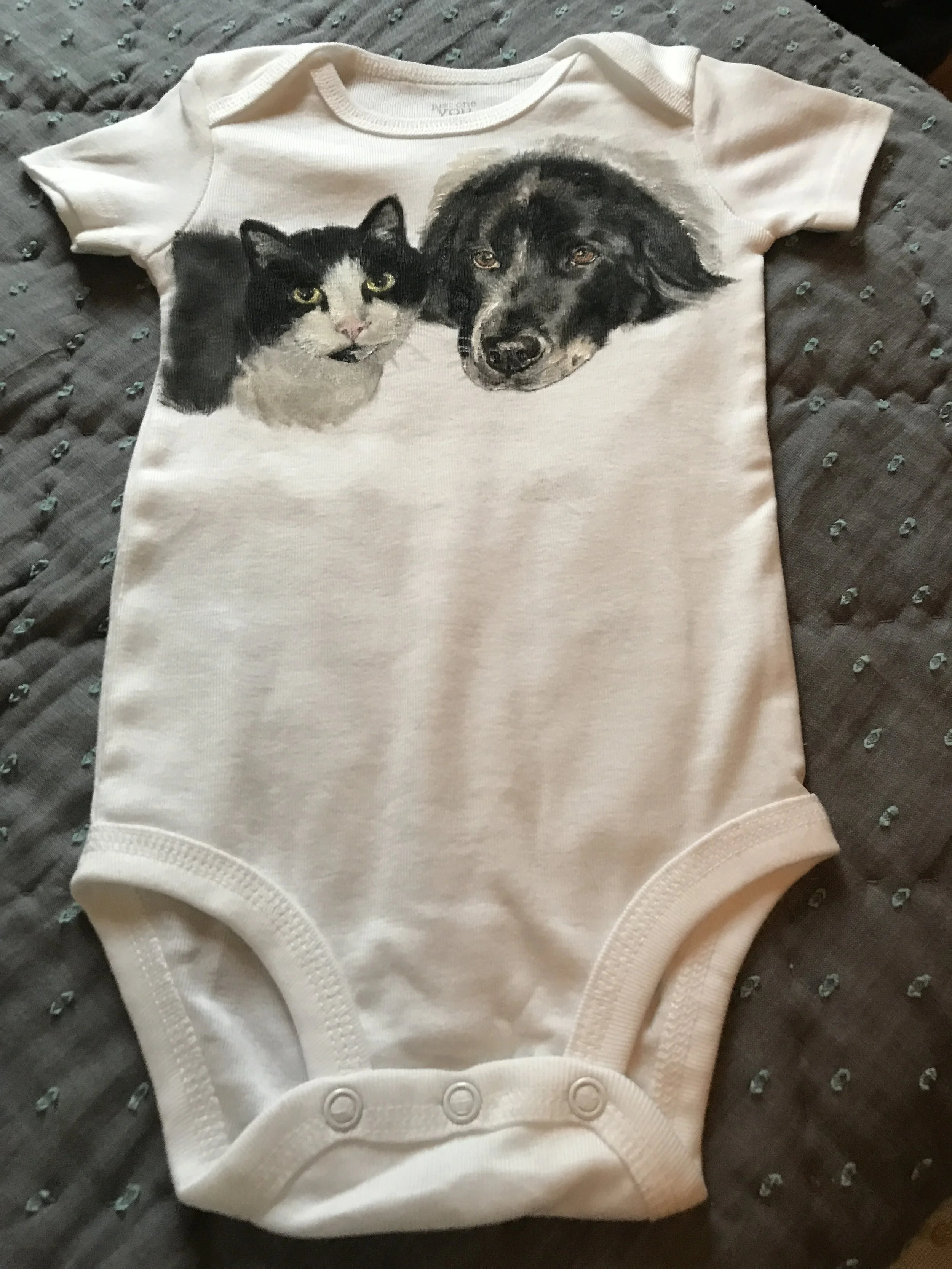
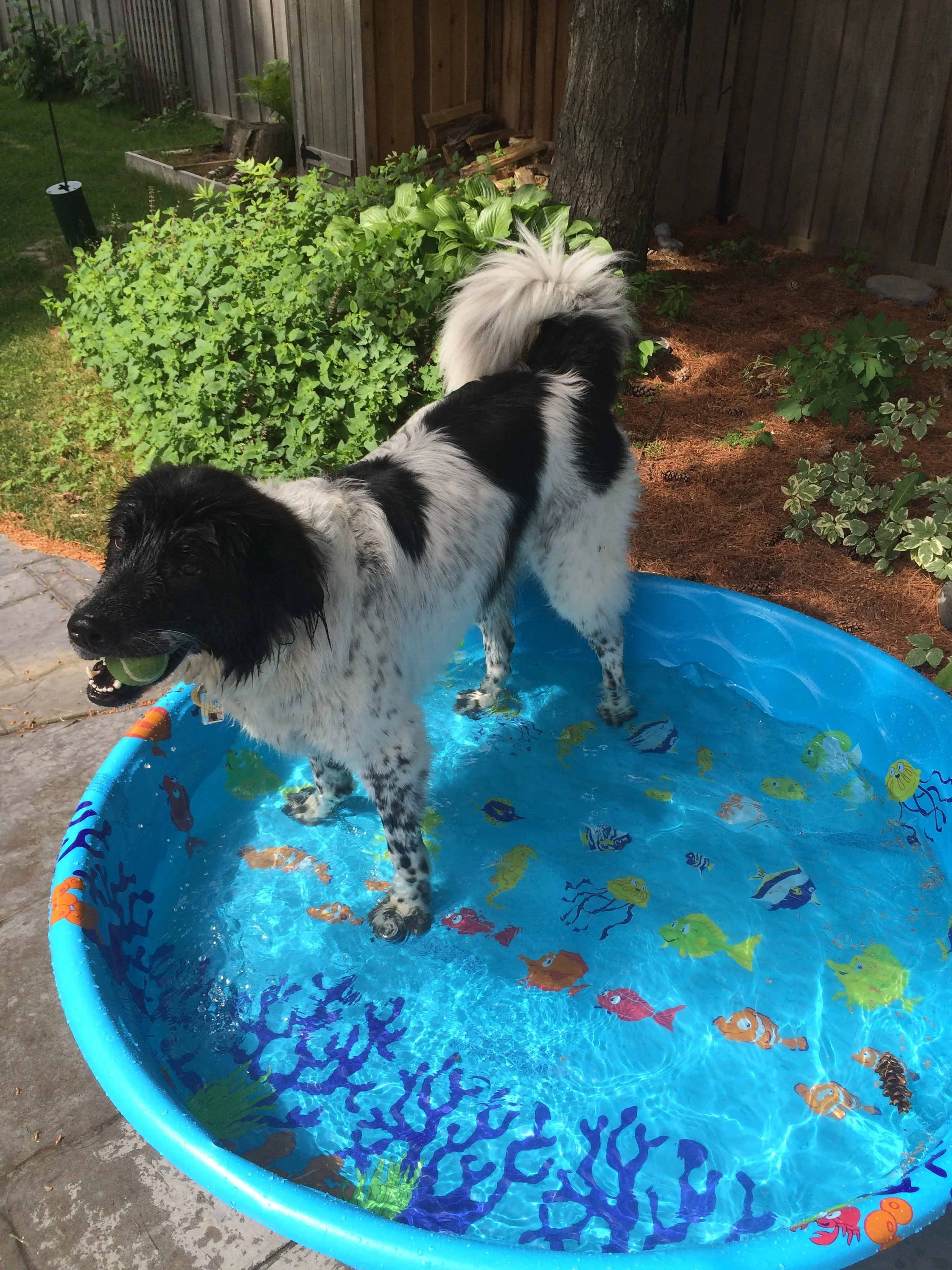
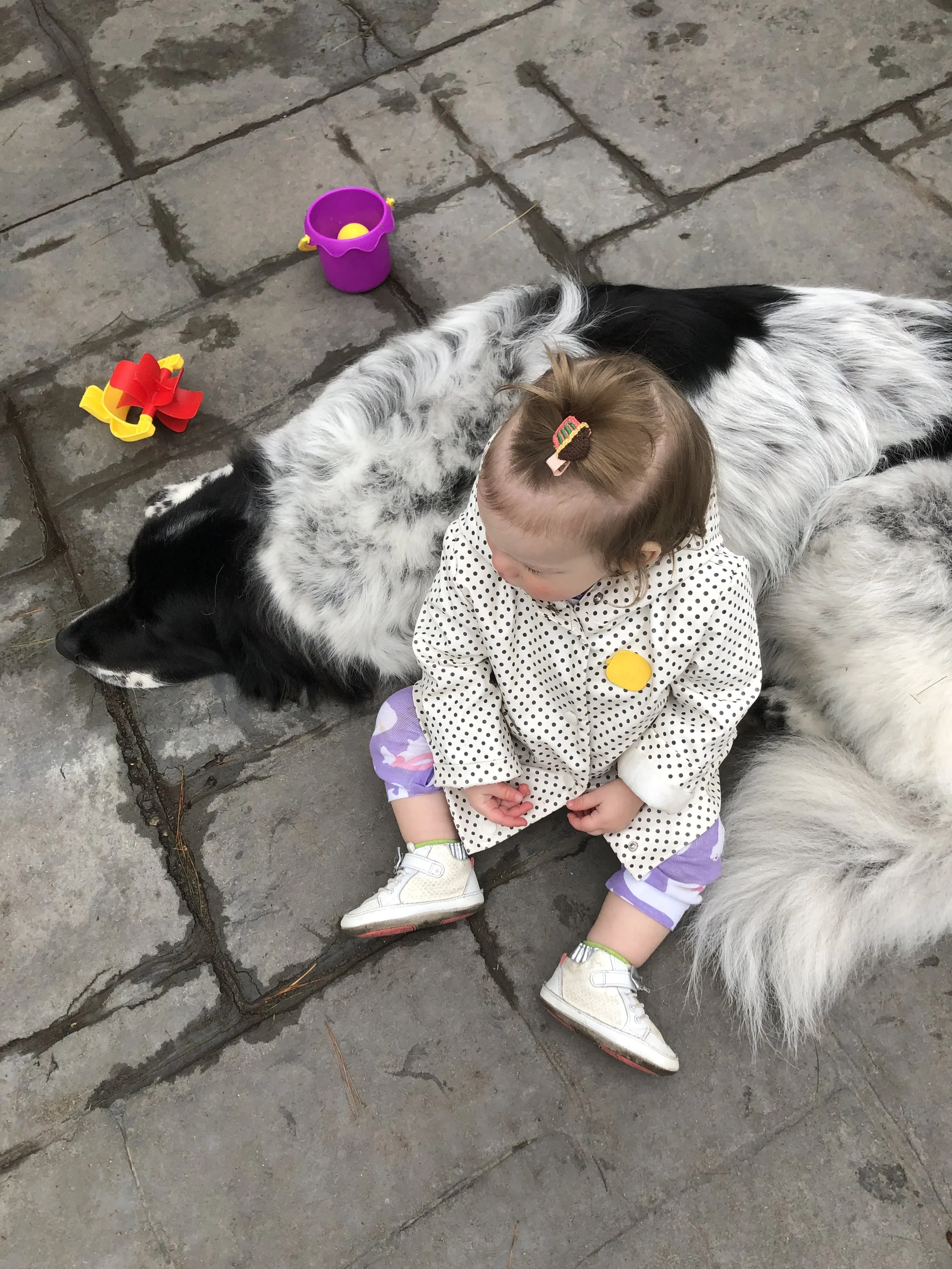
I knew I wanted a Newfoundland/Great Pyrenees the second I saw one as a patient. A massive, shaggy black-and-white dog stood in the exam room, her tail gently swaying, and I instantly knew I needed one. She would match our cat, Marley, perfectly, I explained to my husband gleefully. Our lives—and our home—would be full of black-and-white fur, and nothing about that dissuaded me from seeking out my dream dog.
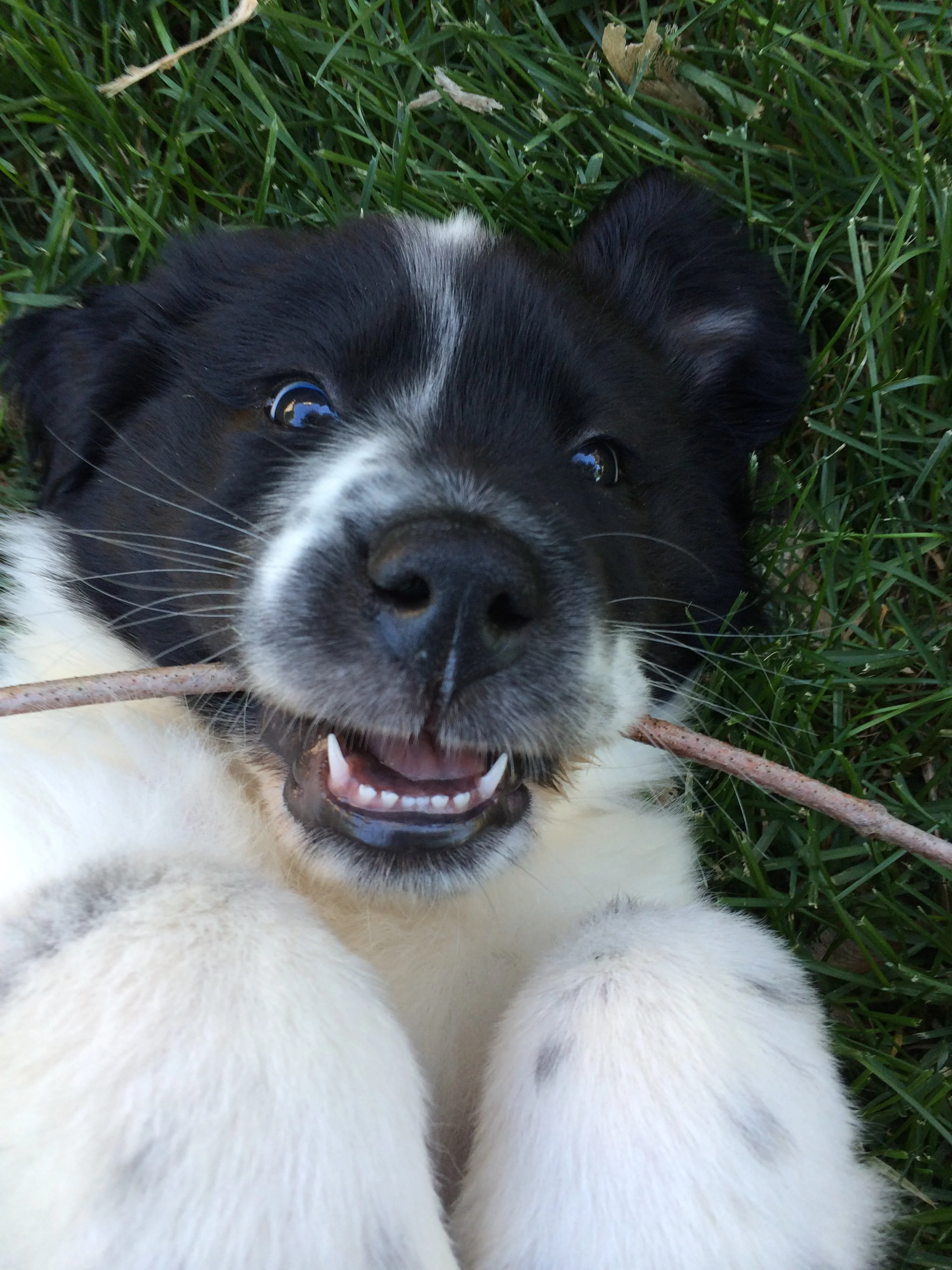
We met Zoe on a farm on a sunny early summer day, just a month after becoming engaged, and fell instantly in love with her black face, asymmetrically split by a thin white stripe. The feeling was not mutual. When we returned the following week to bring her home, she hid under the front porch. Her owner had to tempt her forward with pungent canned food and catch her with a long fishing net. That same canned food was promptly vomited onto my lap at the start of our 45-minute drive home.
I didn’t care. My heart was soaring.
Marley, however, was less impressed. He inspected her from nose to tail before deciding she was acceptable — and once he did, he took her under his wing.
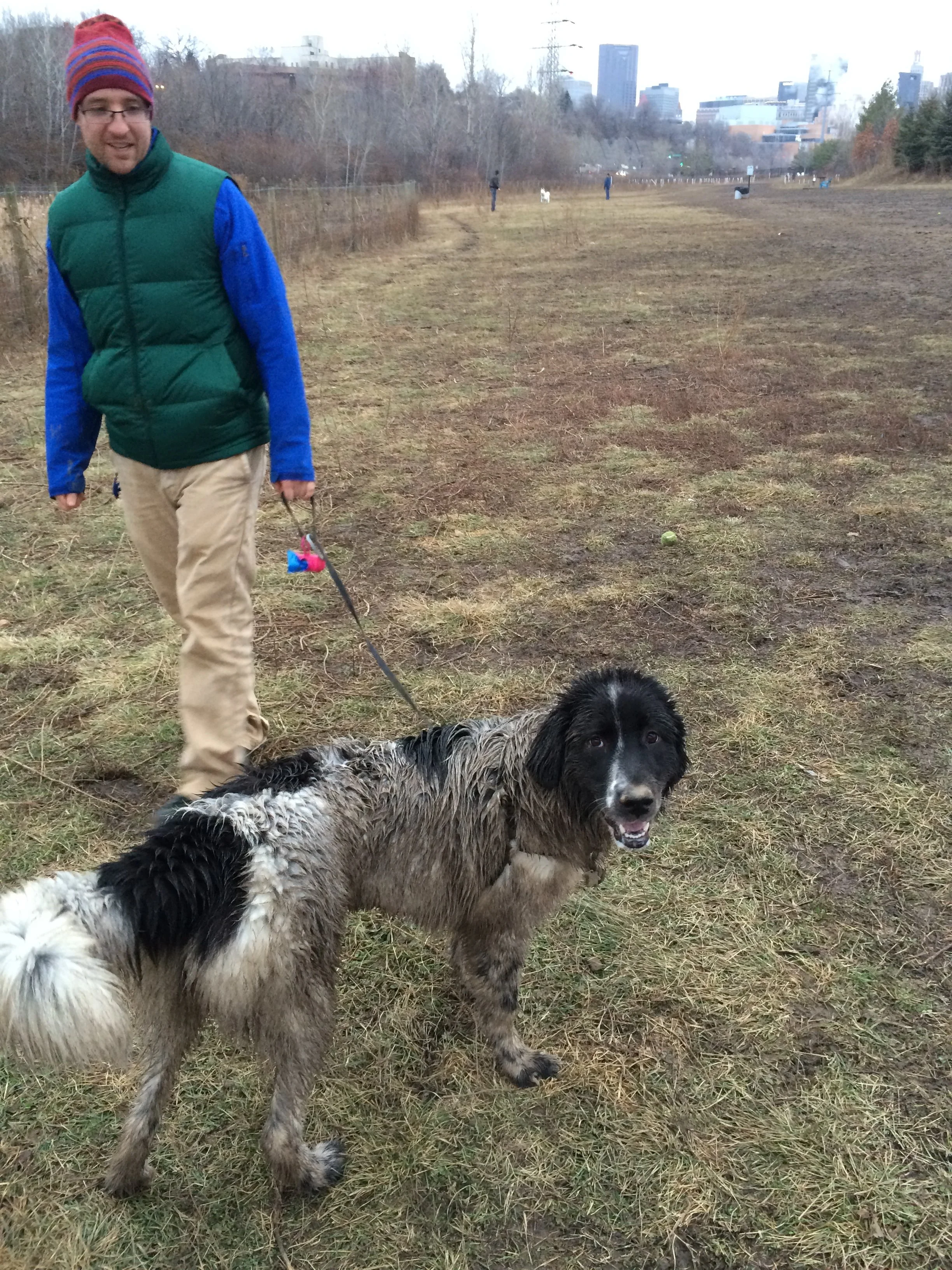
Zoe entered our lives before children, when we could devote our full, undivided attention to her. Socializing and training her became our shared part-time job. I brought her to work with me each day, keeping her in a crate in my office so her potty training remained consistent. We spent weekends on restaurant patios, at puppy classes, and wandering dog parks. She quickly became the center of our small family.
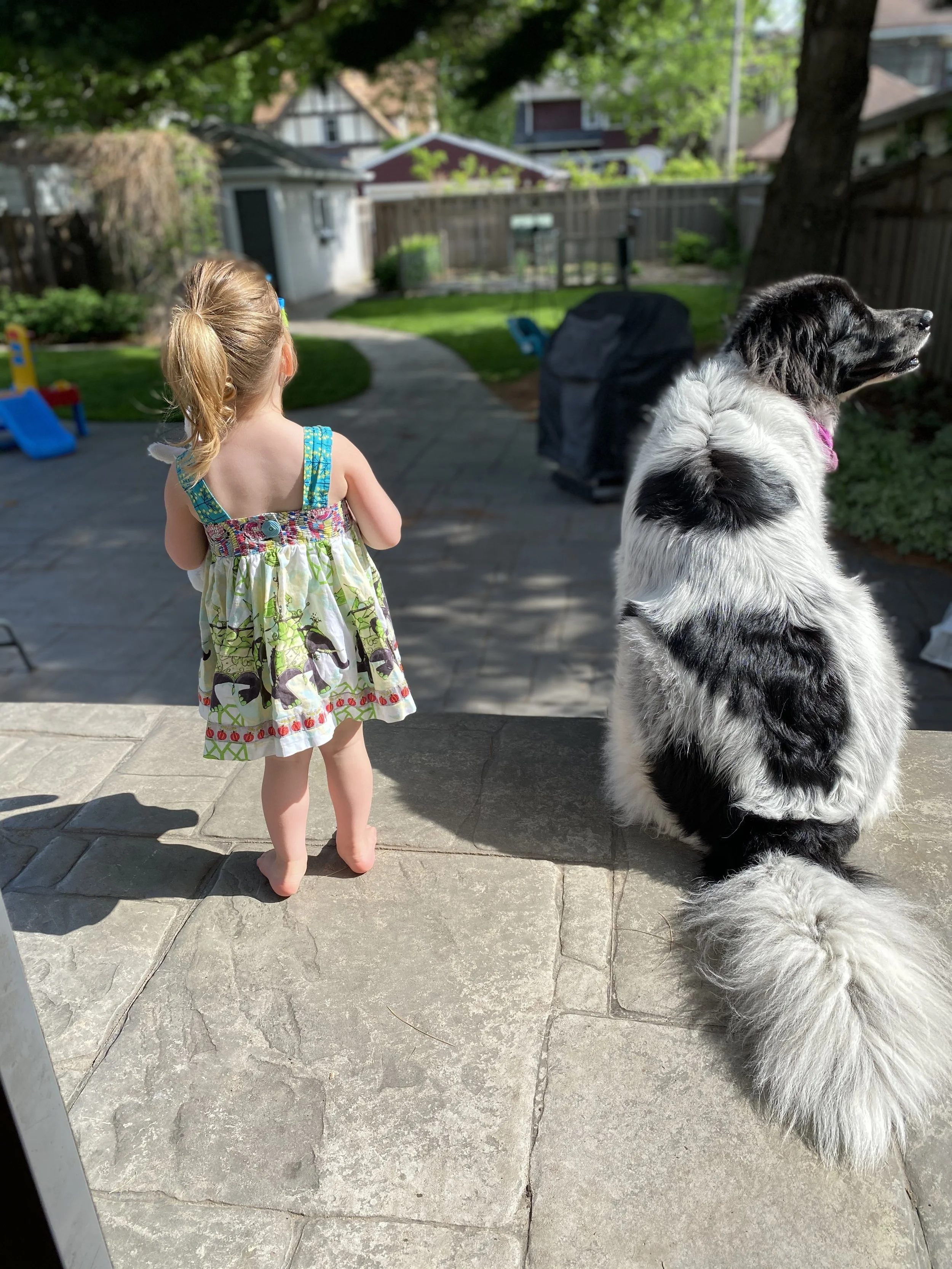
She greeted our first child in 2017, and our second in 2020, with gentle curiosity and steady devotion. While our attention inevitably divided, she remained beloved by our daughters, who delighted in draping themselves across her in the yard — a massive black-and-white pillow. On stroller walks, strangers often ignored our babies entirely, exclaiming instead over how beautiful she was, stopping to pet her while she sat and reveled in the attention.
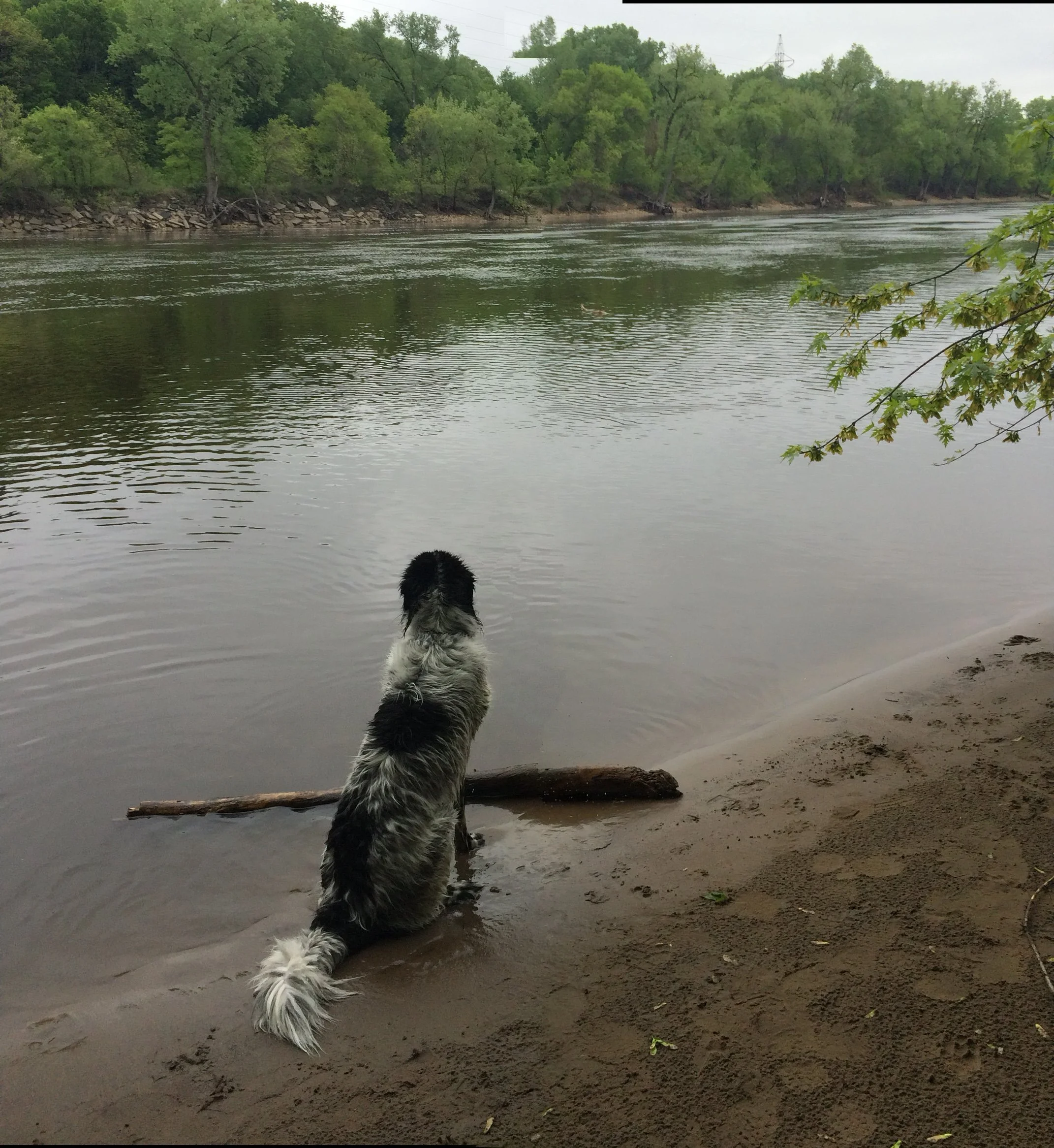
As a giant breed dog, Zoe loved nothing more than lounging in the sun — or better yet, snow — surveying the yard for invaders (squirrels). So it crept up on me the summer her languidness shifted into fatigue.
She’s aging, I told myself.
Maturing.
”Calming down.”
At eight years old, she still seemed young to me — a life just hitting its stride.
It wasn’t until the limp began that dread settled in.
The second I noticed the subtle shift in her gait, I called her over and gently palpated her leg. Pain in her right wrist was immediately apparent as she pulled it away from my touch. Even before the radiographs confirmed it, I knew.
Osteosarcoma.
A devastating diagnosis that is heartbreakingly common in giant breed dogs.
Fight it. She can beat this.
Every fiber of my being insisted we had to fight — even when reason whispered otherwise. The high probability of microscopic metastasis, even with clear lungs on radiographs. The quiet signs that she had been hiding her pain longer than we realized — her subdued demeanor, the fifteen pounds of weight loss concealed beneath her thick coat and lifelong low appetite.
My heart refused to accept what my veterinarian brain could see.
I needed to remove the source of her pain, even if it would not meaningfully extend her life.
So fight we did.
With the help of my trusted veterinary surgeon, Zoe underwent amputation of her right front leg during our household’s first bout with COVID-19. My own feverish delirium blended with helping her outside in a harness, the two of us stumbling together down the front steps. We lay side by side on the floor — me weakened by fever, her sedated by pain medications.
We healed together.
But neither of us healed fully.
While I struggled with brain fog and a lingering cough, I realized with dawning horror that Zoe had developed a persistent cough as well. Radiographs showed what I already knew to be true.
Metastasis.
Her lungs were filling with the cancer we had hoped to outrun. She struggled to breathe comfortably. To lie down. To walk even half a block. Her surgical incision had barely finished healing when the cancer claimed more territory.
Quality of life.
As both a veterinarian and her person, I found myself facing the question so many families ask:
How do you know when it is time to euthanize a beloved dog?
For Zoe, the answer became clear in the quiet suffering she could no longer mask. She spent her final two days saying goodbye to old friends, including her dog sitter, who came to share stories and tears while offering final pets.
For her euthanasia, I chose something different than I had with Marley. I took the advice of a fellow veterinarian and asked someone else to perform the procedure so I could be fully present as Zoe’s companion, not divided by medical responsibility. I also chose to have it done at my clinic. Working in our garden still carried echoes of Marley’s passing, and I could not bear layering grief upon grief.
My trusted coworker of eleven years performed the euthanasia. Zoe passed quickly and peacefully while we told her — through tear-clouded eyes — how deeply she was loved.
Love. Still love.
Gone, but not forgotten.
The large shadow of Zoe lingered in our home for months, then years — slowly softening, but never leaving. For weeks, my two-year-old would peer through the sliding glass door and exclaim, “I see her! She’s in the yard!”
I could almost feel her nose press into my stomach when I opened the front door. Hear her tail thumping softly against the wood floor when the house was quiet. Her presence surrounded us.
And in many ways, it still does.